

Jungholm Laboratories
Cell-based Assays & custom cell-lines
Our Cell-based Assay services—including viability, cytotoxicity, proliferation, and a variety of signaling assays—are built on a foundation of scientific rigor and quality assurance.
Whether you're screening compounds or validating mechanisms of action. We can express your target in a model cell line or use a cell line of your choice.
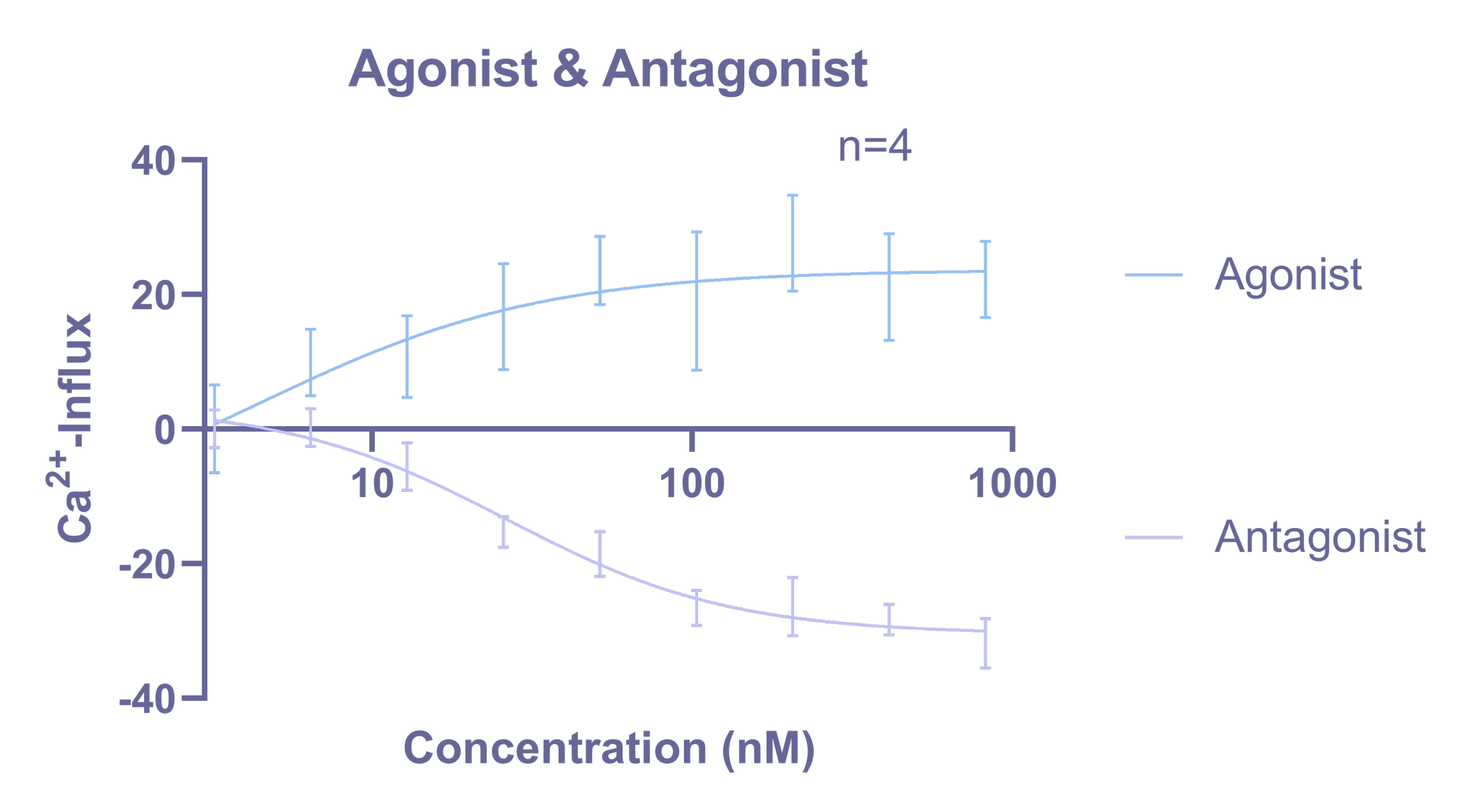
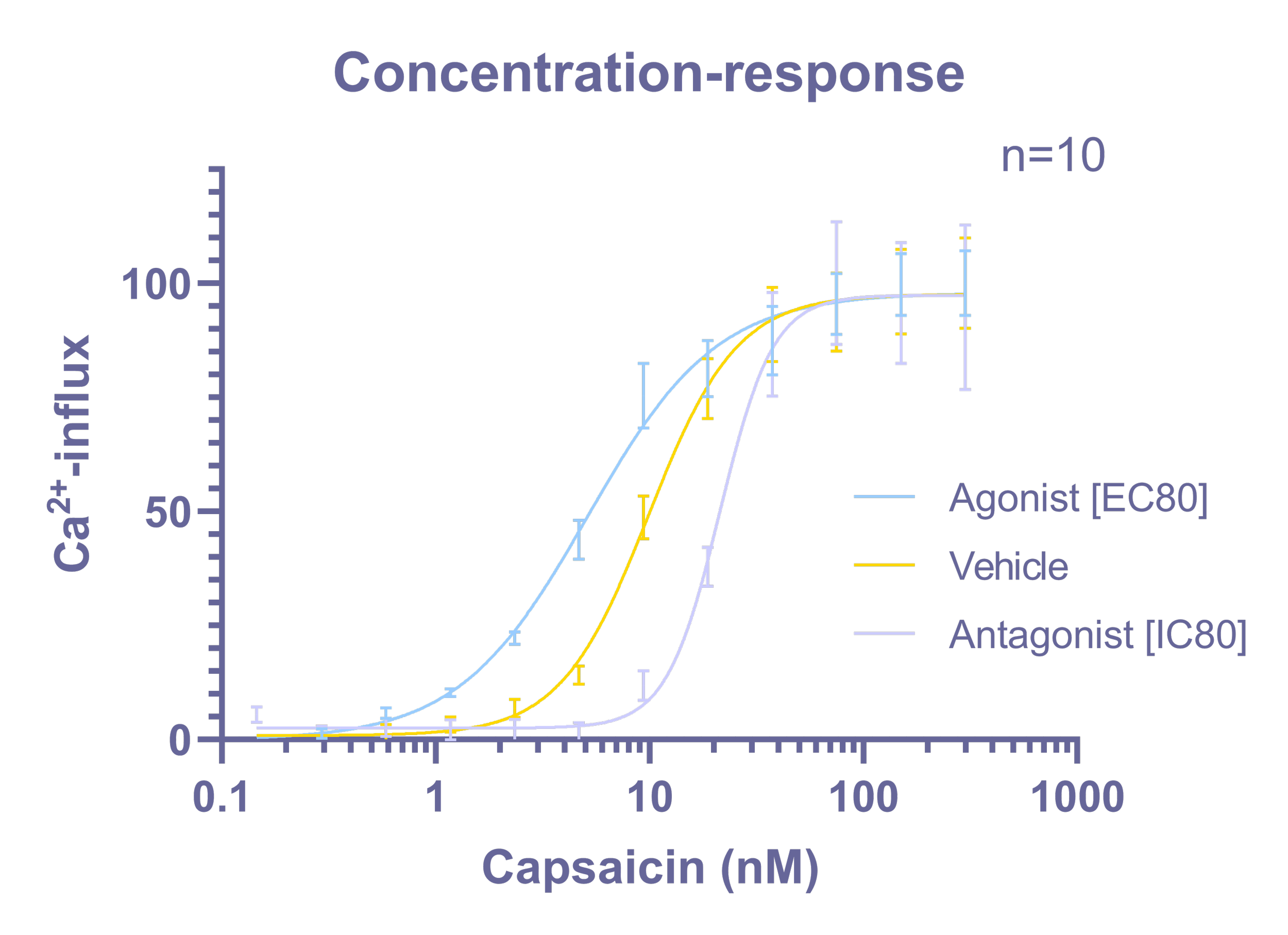
Effects on the ion-channel TRPV1. Receptor facilitation and inhibition by Agonist or Antagonist, the [EC80]/[IC80] could be determined. Experiments were performed in a TRPV1-expressing cell-line.
TRPV1 receptor activation by Capsaicin, the receptor activation was measured in the presence of agonist or antagonist on the TRPV1-expressing cell-line.

Phosphorylation of Akt in cancer cells, in response to immunotherapy

Apoptosis, Necrosis, and Viability of colon cancer cells in response to immunotherapy
Microscopy
We specialize in high-resolution microscopy tailored to pharmaceutical research and development. Our state-of-the-art imaging platforms and expert analysts ensure precise visualization of cellular mechanisms and drug effects in biological samples. With an artistic sense and rigorous adherence to the scientific method, we deliver trustworthy imagery everyone can admire.

Nanotube formed between two cancer cells
Custom Research Project
As creative thinkers, we are always excited to test new methodologies we believe in and we love to hear about innovative projects and bold thoughts. Do not hesitate to contact us, even if it is only to exchange ideas in an informal setting.

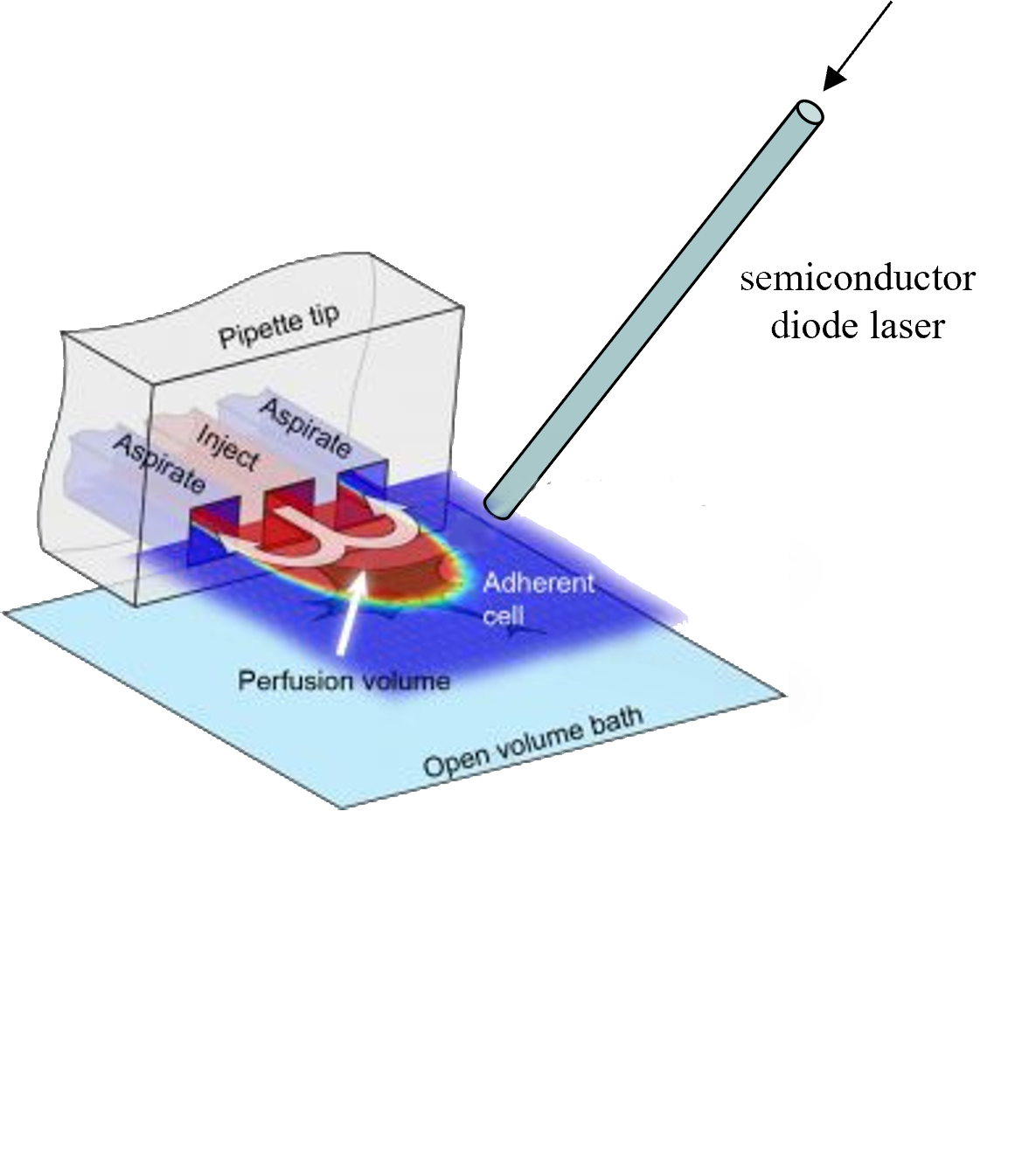
A laser was used to generate a local pulse of heat to activate the heat-sensitive TRPV1 ion channel in an adherent cell culture. Combined with a microfluidic pipette, designed to rapidly switch between several drug treatments in a confined set of cells allowed for determining ligands as well as heat activation of this ion channel.
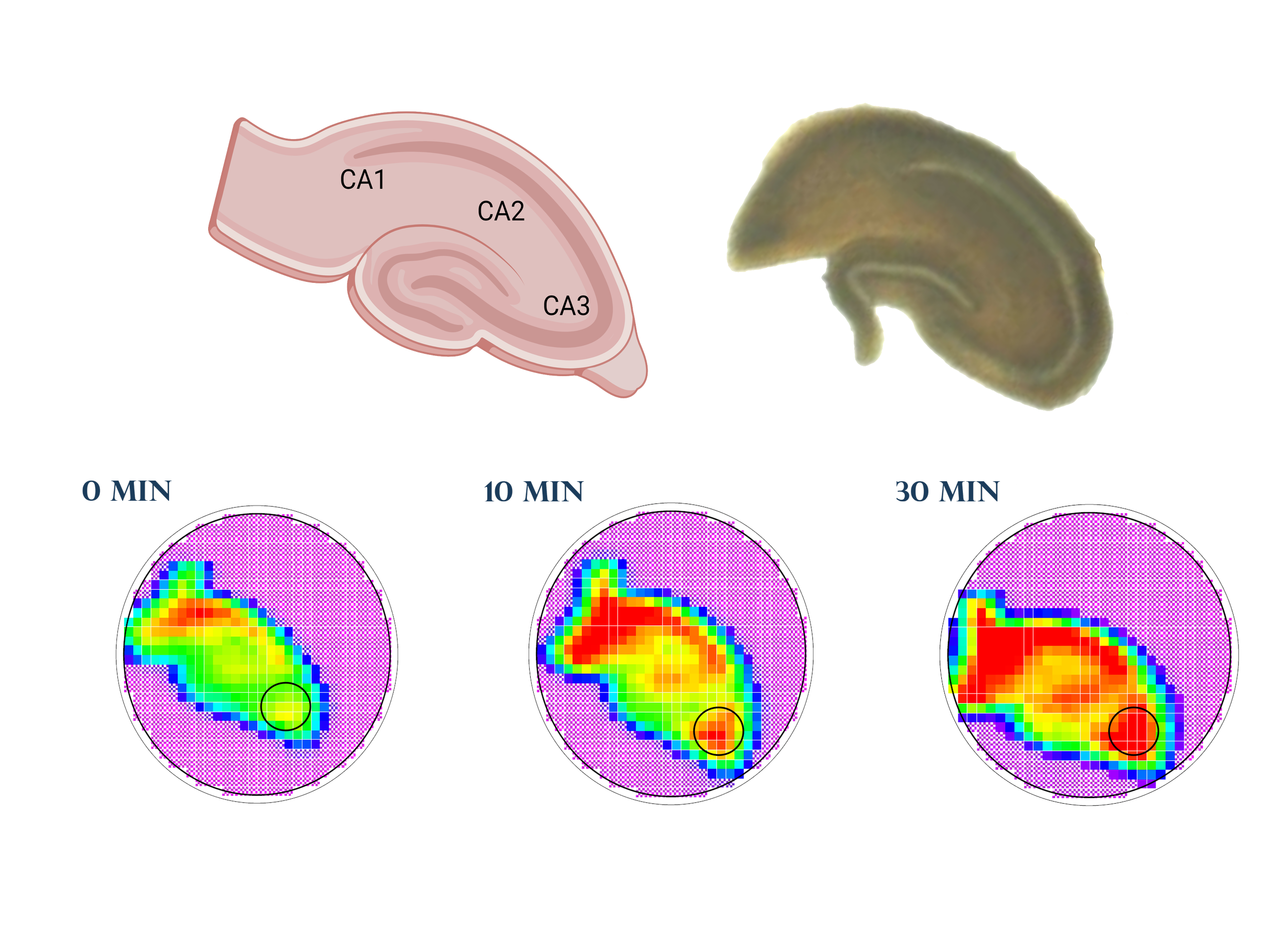
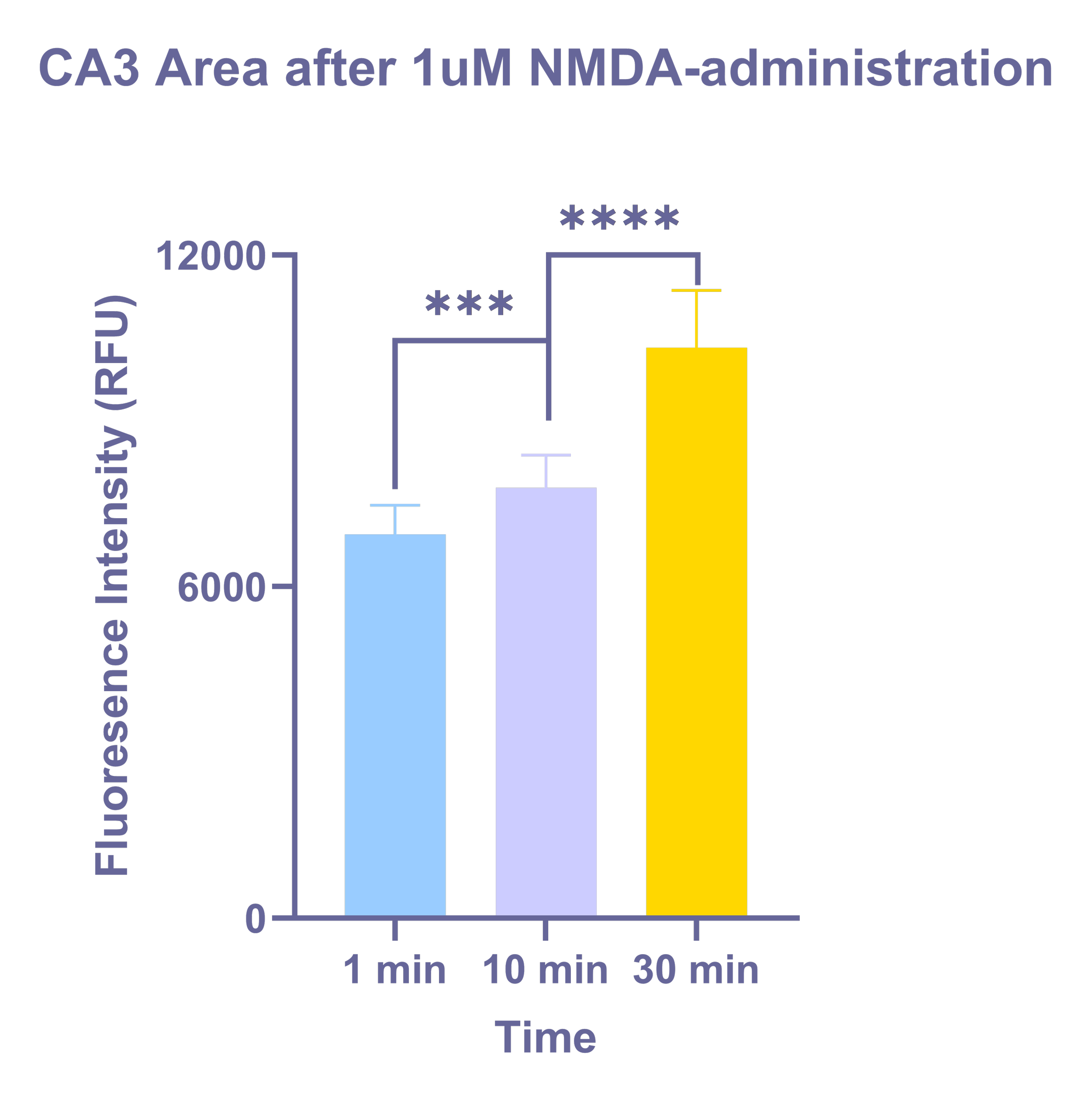
In-house developed method for investigating memory formation in live mouse hippocampus slices. This living brain tissue was subjected to the Glutamatergic agonist NMDA in a 96-well format and the Calcium influx to the neurons were recorded.